

By Dr. Nighat Yousaf
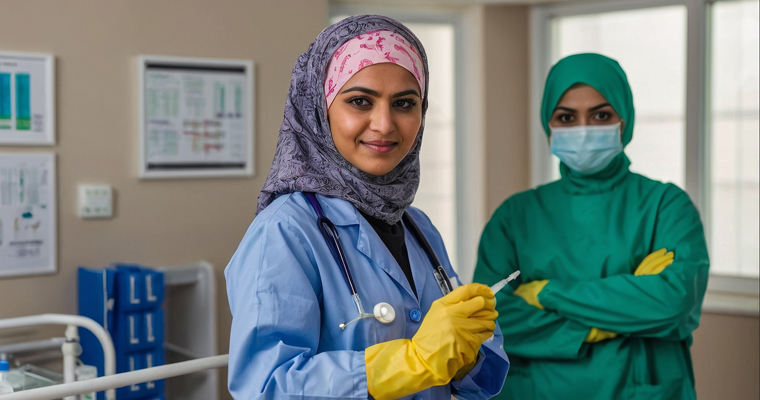
Nursing is one of the most respected and rewarding professions in healthcare. Nurses play a vital role in caring for patients, supporting families, promoting healthy lifestyles, and working alongside doctors and other healthcare professionals. While strong academic knowledge and clinical skills are essential, being a great nurse requires much more than technical expertise.
A great nurse combines knowledge, compassion, communication, responsibility, and professionalism to provide safe and effective patient care.
1. Compassion and Empathy
Compassion is at the heart of nursing. Patients may feel anxious, frightened, or vulnerable when they are unwell. A great nurse understands these emotions and treats every patient with kindness, dignity, patience, and respect.
Empathy allows nurses to understand what patients may be experiencing and respond to their physical and emotional needs appropriately. Even a small act of kindness or a few reassuring words can make a significant difference to a patient’s experience.
2. Strong Communication Skills
Effective communication is an essential part of nursing. Nurses communicate with patients, families, doctors, colleagues, and other healthcare professionals every day.
A great nurse listens carefully, explains information clearly, asks appropriate questions, and communicates respectfully. Good communication also helps reduce misunderstandings, improve teamwork, and promote patient safety.
3. Clinical Knowledge and Competence
Nurses need a strong foundation of medical and nursing knowledge to provide safe and effective care. They must understand clinical procedures, medications, infection prevention, patient assessment, and appropriate nursing interventions.
However, nursing knowledge does not stop after graduation. Great nurses continue learning throughout their careers and keep themselves informed about developments in healthcare, technology, and evidence-based nursing practice.
4. Critical Thinking and Decision-Making
Healthcare situations can change quickly, and nurses often need to assess information and respond appropriately. Critical thinking enables nurses to identify changes in a patient’s condition, recognize potential problems, prioritize care, and make informed decisions.
Developing strong critical-thinking skills helps nurses provide safer and more effective patient care, particularly in complex clinical environments.
5. Patience and Emotional Strength
Nursing can be physically and emotionally demanding. Nurses may care for patients who are experiencing pain, stress, serious illness, or difficult personal circumstances.
Patience and emotional resilience help nurses remain calm, professional, and supportive even in challenging situations. These qualities also help nurses manage workplace pressures while maintaining a high standard of patient care.
6. Teamwork
Modern healthcare is based on teamwork. Nurses work closely with doctors, healthcare assistants, pharmacists, physiotherapists, technicians, administrators, and other professionals.
A great nurse understands the importance of collaboration and respects the contribution of every member of the healthcare team. Effective teamwork helps ensure that patients receive coordinated and comprehensive care.
7. Attention to Detail
Small details can have a significant impact on patient safety. Nurses need to be attentive when assessing patients, administering medications, maintaining records, following clinical procedures, and communicating important information.
Being careful and organized helps reduce errors and ensures that patients receive the appropriate care at the right time.
8. Professionalism and Ethical Responsibility
Nurses are trusted with the health, privacy, and wellbeing of their patients. Professionalism means demonstrating honesty, responsibility, respect, confidentiality, and accountability in every aspect of nursing practice.
Great nurses understand their professional responsibilities and always aim to protect the dignity, rights, and safety of the people in their care.
9. Adaptability and Willingness to Learn
Healthcare is constantly changing. New technologies, treatments, procedures, and healthcare practices continue to emerge. Nurses therefore need to be adaptable and willing to learn throughout their careers.
A willingness to accept feedback, develop new skills, and learn from experience helps nurses grow professionally and respond effectively to changing healthcare needs.
10. A Genuine Commitment to Patient Care
Above all, a great nurse has a genuine commitment to helping people. Nursing is not simply a job; it is a profession built around service, responsibility, and human connection.
A nurse who approaches every patient with respect, compassion, and dedication can have a lasting positive impact on patients, families, and the wider community.
Developing the Nurses of Tomorrow
The qualities of a great nurse begin developing during nursing education. Alongside academic learning, students need opportunities to develop communication, clinical competence, critical thinking, teamwork, professionalism, and compassionate patient care.
At Medicare College of Nursing, we aim to prepare future nurses with both the knowledge and personal qualities required to provide safe, compassionate, and professional care. Through classroom education, practical learning, and clinical experience, students are encouraged to develop the confidence and skills needed to meet the diverse healthcare needs of patients and communities.
Conclusion
A great nurse is knowledgeable, compassionate, responsible, patient, and committed to continuous learning. While clinical skills are essential, it is the combination of professional competence and genuine compassion that makes nursing truly exceptional.
For students who aspire to make a meaningful difference in people’s lives, developing these qualities can be the foundation of a successful and rewarding nursing career.